
Community Property and the Marital Home in California
The first question in any California divorce involving a house is whether it is community property — because that determines how it is divided. Here is how California's community-property rules apply to the marital home, in plain language, with a family law attorney for your specifics.
Get Your Free Cash Offer Now!
Fill out this form to get your no-obligation all cash offer started!
Get Your Free Offer TODAY!
Fill In This Form To Get Your No-Obligation All Cash Offer Started!
What Counts as Community Property
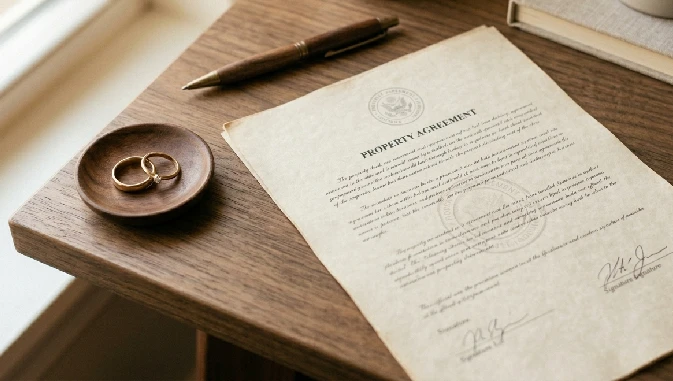
Per Family Code § 760, all property acquired by a married person during the marriage while domiciled in California is community property. For a home, that usually means if you bought it during the marriage with marital income, it belongs equally to both spouses — even if only one spouse is on the deed or earned the paycheck. California views marriage as a partnership, so both contributions count equally.
What Stays Separate
Separate property is generally not divided in a divorce. It includes what a spouse owned before the marriage, and gifts or inheritances received by one spouse alone. But things get complicated when separate and community property are mixed — for example, if separate funds went into a community home, or community income paid the mortgage on a separate home. These ‘commingling’ and reimbursement questions are exactly where a family law attorney earns their keep.
Equal Division of the Home's Equity
Per Family Code § 2550, the court divides the community estate equally. For the house, that means each spouse is generally entitled to half of the community equity — unless the two of you agree to a different split in writing. That equal-division principle is what makes selling and splitting such a common, clean resolution.

How Selling Fits
When the home is community property and neither spouse will keep it, selling converts a shared, hard-to-divide asset into cash that splits cleanly. A fast as-is cash sale — once both spouses agree — avoids a drawn-out listing during an already stressful time. We buy as-is, with no repairs, and close on a date you choose together. This is general information, not legal advice; confirm how the rules apply to you with a family law attorney.
Get Your Free Offer TODAY!
Fill In This Form To Get Your No-Obligation All Cash Offer Started!